Exploring the invisible - Mikroskop Elektron
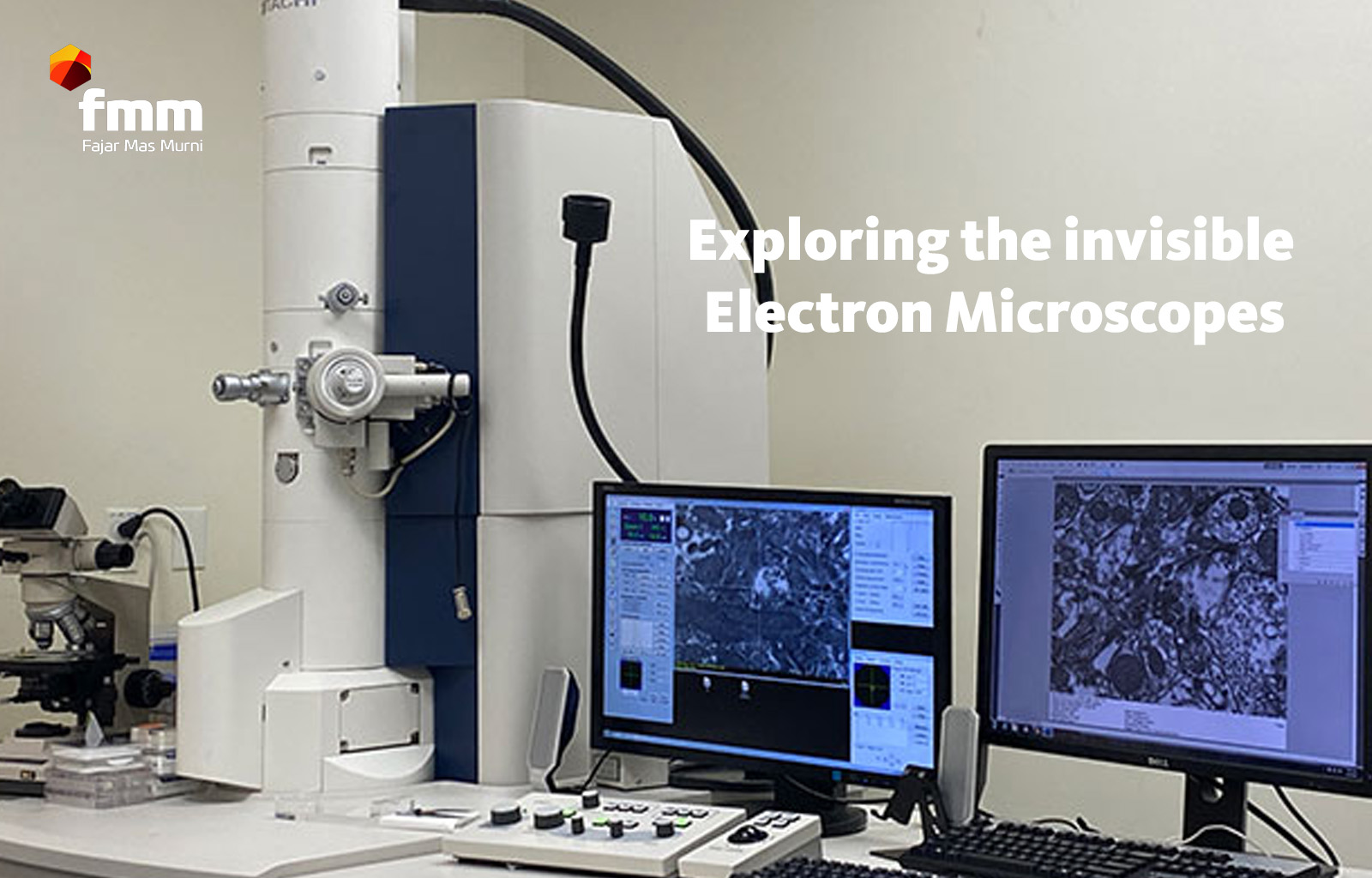
Dalam dunia penemuan ilmiah yang luas, hanya sedikit alat yang telah merevolusi pemahaman kita tentang alam semesta mikroskopis seperti mikroskop elektron. Meskipun mikroskop cahaya tradisional telah memainkan peran penting dalam ilmu biologi dan material selama berabad-abad, kemampuan pembesarannya dibatasi oleh panjang gelombang cahaya tampak.
Namun, mikroskop elektron menggunakan berkas elektron sebagai pengganti cahaya, yang memungkinkan para ilmuwan untuk mengamati pada tingkat atom dan molekuler. Teknologi yang luar biasa ini telah mengubah penelitian di berbagai bidang mulai dari nanoteknologi dan virologi hingga ilmu material dan rekayasa.
Apa itu Mikroskop Elektron?
Mikroskop elektron adalah instrumen canggih yang menggunakan berkas elektron untuk membuat gambar spesimen. Tidak seperti mikroskop cahaya, yang menggunakan cahaya tampak dan lensa optik, mikroskop elektron menggunakan lensa elektromagnetik untuk mengendalikan berkas elektron, karena elektron memiliki panjang gelombang yang jauh lebih pendek daripada cahaya tampak, mikroskop elektron dapat mencapai resolusi yang jauh lebih tinggi, sering kali hingga pembesaran 1.000.000x, dibandingkan dengan sekitar 1000x untuk mikroskop cahaya.
Ada dua jenis utama mikroskop elektron:
Mikroskop Elektron Transmisi (TEM)
TEM melewatkan elektron melalui spesimen yang sangat tipis. Elektron berinteraksi dengan spesimen saat melewatinya, dan gambar terbentuk dari elektron yang ditransmisikan. TEM mampu mencitrakan struktur internal sel dan material pada resolusi yang sangat tinggi, bahkan memungkinkan ilmuwan untuk melihat atom-atom individual.
Mikroskop Elektron Pemindaian (SEM)
SEM memindai berkas elektron terfokus di seluruh permukaan spesimen. Elektron berinteraksi dengan atom dalam sampel, menghasilkan berbagai sinyal yang dapat dideteksi dan digunakan untuk membentuk gambar 3D permukaan yang terperinci. SEM banyak digunakan untuk memeriksa morfologi dan tekstur permukaan.
Mikroskop elektron telah menjadi alat yang sangat diperlukan dalam sains dan teknologi modern. Dalam biologi, mikroskop elektron memungkinkan peneliti untuk mempelajari virus, bakteri, dan struktur sel dengan sangat rinci. Misalnya, selama pandemi COVID-19, mikroskop elektron berperan penting dalam memvisualisasikan struktur virus SARS-CoV-2, membantu peneliti mengembangkan vaksin dan perawatan dengan lebih cepat.
Dalam ilmu material, mikroskop elektron membantu ilmuwan menganalisis struktur mikro logam, polimer, keramik, dan semikonduktor. Informasi ini penting untuk merancang material baru dengan sifat-sifat tertentu, seperti peningkatan kekuatan, konduktivitas, atau ketahanan panas. Mikroskop elektron juga memainkan peran penting dalam nanoteknologi, yang memungkinkan studi dan manipulasi struktur skala nano.
Dalam industri elektronik, SEM digunakan untuk memeriksa mikrocip dan sirkuit terpadu untuk mencari cacat. Industri otomotif dan kedirgantaraan menggunakan mikroskop elektron untuk menyelidiki kegagalan material dan meningkatkan proses manufaktur, bahkan ilmu forensik mendapat manfaat dari teknologi ini, karena SEM dapat menganalisis residu tembakan, sampel rambut, dan serat dengan presisi tinggi.
Mikroskop elektron telah membuka jendela ke dunia yang sangat kecil, menawarkan wawasan yang belum pernah ada sebelumnya tentang struktur dan perilaku materi. Kemampuannya untuk memvisualisasikan atom dan molekul telah memperluas pemahaman kita tentang kehidupan, material, dan alam semesta itu sendiri. Seiring dengan kemajuan teknologi, mikroskop elektron tidak diragukan lagi akan memainkan peran yang lebih besar dalam inovasi dan penemuan ilmiah.
Rasakan kejernihan dan presisi yang tak tertandingi - pilih mikroskop elektron terbaik untuk penelitian Anda:
https://www.fajarmasmurni.com/products/Hitachi-High-Tech

Administrator System
